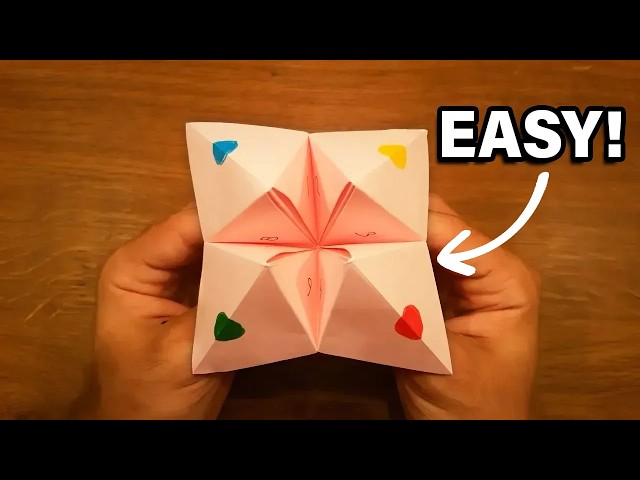
Creating a paper fortune teller, also known as a cootie catcher, involves folding a square sheet of paper into a specific pattern, resulting in a fortune-telling device. It’s a fun and interactive activity, popular among children, that allows them to predict the future playfully.
The origins of the paper fortune teller can be traced back to ancient Chinese tradition, where similar devices were used for divination. Over the years, it has evolved into a beloved pastime enjoyed by people of all ages, offering a simple yet engaging way to entertain and connect.
To begin making your own paper fortune teller, you’ll need a square sheet of paper. Follow these steps to create your fortune teller:
How to Make a Paper Fortune Teller
Creating a paper fortune teller, or cootie catcher, requires careful folding techniques and an understanding of the underlying principles. Six key aspects to consider include:
- Materials: Square sheet of paper
- Folding: Precise folds to create a symmetrical shape
- Sections: Dividing the fortune teller into eight sections
- Flaps: Lifting and folding flaps to form pockets
- Numbers: Writing numbers on the flaps for predictions
- Predictions: Creative and imaginative fortunes written inside
These aspects work together to create a functional fortune teller. The choice of paper and the precision of the folds determine the durability and accuracy of the device. The number of sections and flaps allows for a variety of fortune options, while the written predictions add an element of fun and intrigue. By understanding these key aspects, individuals can create their own personalized fortune tellers, fostering creativity, imagination, and social interaction.
Materials
In the context of making a paper fortune teller, the choice of materials plays a crucial role in determining the quality and functionality of the final product.
- Paper quality: The thickness and durability of the paper will affect the sturdiness and longevity of the fortune teller. Thicker paper will hold its shape better, while thinner paper may tear more easily.
- Paper size: The size of the paper will determine the size of the fortune teller. A larger square sheet of paper will produce a larger fortune teller, while a smaller sheet will produce a smaller fortune teller.
- Color and design: The color and design of the paper can be used to personalize the fortune teller. You can use plain paper, colored paper, or even paper with a printed design.
- Availability: Square sheets of paper are readily available at most stores that sell office supplies or paper products. You can also use scrap paper or origami paper.
By carefully considering the type of paper you use, you can create a paper fortune teller that is both durable and visually appealing.
Folding
In the context of making a paper fortune teller, precise folding techniques are essential for creating a symmetrical shape that functions effectively for fortune-telling purposes. Each fold must be executed with care to ensure the accuracy of the final product.
The symmetrical shape of the fortune teller is achieved through a series of sequential folds that divide the square paper into eight congruent sections. These sections form the pockets that hold the written predictions. If the folds are not precise, the sections will not be uniform in size and shape, which can affect the accuracy of the fortune-telling process.
Furthermore, precise folding is crucial for the structural integrity of the fortune teller. The folds create creases that reinforce the paper, making it more durable and resistant to tearing. This ensures that the fortune teller can withstand repeated use and handling without losing its shape or functionality.
In conclusion, precise folding is a fundamental aspect of making a paper fortune teller. It not only ensures the symmetrical shape necessary for accurate fortune-telling but also contributes to the durability and longevity of the device.
Sections
In the context of making a paper fortune teller, dividing the fortune teller into eight sections is a crucial step that serves multiple purposes and has a significant impact on the overall functionality and accuracy of the device.
Firstly, the eight sections provide a structured framework for organizing and presenting the written predictions. Each section represents a different category or aspect of the fortune, such as love, friendship, or career. This organization allows users to easily navigate the fortune teller and locate the specific predictions they are seeking.
Secondly, the division into eight sections ensures that the fortune teller operates smoothly and accurately. The sections create pockets that hold the flaps in place, enabling users to manipulate the fortune teller and reveal the predictions. Without these defined sections, the flaps would be loose and disorganized, making it difficult to use the fortune teller effectively.
Furthermore, the number of sections has practical implications. Eight sections provide a balance between having enough categories to cover a wide range of predictions while keeping the fortune teller relatively compact and easy to handle. Too few sections would limit the variety of predictions, while too many sections would make the fortune teller bulky and unwieldy.
In conclusion, dividing the fortune teller into eight sections is a fundamental aspect of making a paper fortune teller. It provides a structured framework for organizing the predictions, ensures the smooth operation of the device, and contributes to its overall functionality and accuracy.
Flaps
In the context of making a paper fortune teller, the flaps play a central role in its functionality and user experience. By lifting and folding the flaps, pockets are formed that serve as containers for the written predictions.
- Creating Pockets: The primary purpose of the flaps is to create pockets that hold the written predictions in place. These pockets ensure that the predictions remain concealed until the user chooses to reveal them.
- Interactive Element: The flaps introduce an interactive element to the fortune teller. By lifting and folding the flaps, users actively engage with the device, adding an element of playfulness and anticipation to the fortune-telling process.
- Structural Support: The flaps also provide structural support to the fortune teller. When the flaps are folded into place, they create a more rigid structure that is less prone to bending or tearing.
- Customization: The flaps offer opportunities for customization. Users can decorate or personalize the flaps with drawings, stickers, or other embellishments, making their fortune teller unique.
In conclusion, the flaps in a paper fortune teller are not merely decorative elements; they play a crucial role in forming pockets for predictions, enhancing user interaction, providing structural support, and allowing for customization. Understanding the significance of the flaps deepens our appreciation for the design and functionality of this classic fortune-telling device.
Numbers
In the realm of paper fortune tellers, the act of writing numbers on the flaps holds great significance, forming a vital connection to the overall process of fortune-telling and adding depth to the experience.
- Foundation for Predictions: The numbers written on the flaps serve as the foundation for the predictions. Each number is associated with a specific prediction or outcome, creating a framework for interpreting the fortune teller’s messages.
- Customization of Fortunes: By assigning unique numbers to different predictions, users can customize their fortune tellers to reflect their personal interests, beliefs, or experiences. This customization enhances the fortune teller’s relevance and makes the predictions more meaningful.
- Numerical Patterns: The arrangement of numbers on the flaps can create numerical patterns that add another layer of complexity to the fortune-telling process. Users can explore these patterns to uncover hidden connections or deeper meanings within the predictions.
- Sequential Interpretation: The sequential nature of the numbers guides users through the fortune-telling process. By following the numbered sequence, users can systematically reveal the predictions, building anticipation and suspense.
In conclusion, writing numbers on the flaps for predictions is an integral aspect of making a paper fortune teller. It establishes the foundation for the predictions, enables customization, introduces numerical patterns, and guides the sequential interpretation of the fortune teller’s messages.
Predictions
In the realm of paper fortune tellers, the predictions inscribed within its depths hold immense significance, breathing life into this beloved pastime. These creative and imaginative fortunes form the heart of the fortune teller’s charm, transforming it from a mere papercraft to a vessel of playful divination.
The connection between predictions and the essence of a paper fortune teller is undeniable. Without the element of prediction, the fortune teller would be rendered purposeless, a mere folded piece of paper devoid of its captivating allure. The predictions serve as the driving force behind the fortune teller’s ability to entertain, engage, and spark the imagination.
Creating the predictions for a paper fortune teller is both an art and a science. It requires a blend of creativity and an understanding of the fortune teller’s mechanics. The predictions should be concise yet evocative, offering glimpses of possible futures or providing enigmatic advice. The choice of words and phrases plays a crucial role in shaping the tone and impact of each prediction.
The practical significance of understanding the connection between predictions and paper fortune tellers lies in the enhanced enjoyment and appreciation of this timeless activity. By recognizing the importance of imaginative and creative predictions, individuals can fully immerse themselves in the fortune-telling experience.
FAQs on How to Make a Paper Fortune Teller
This section addresses common questions and misconceptions surrounding the art of making paper fortune tellers, providing clear and concise answers to enhance your understanding and enjoyment of this classic pastime.
Question 1: What type of paper is best suited for making a paper fortune teller?
Answer: Thicker paper, such as origami paper or cardstock, is recommended as it holds creases well and ensures durability during repeated use.
Question 2: How precise do the folds need to be for an accurate fortune teller?
Answer: Precision is crucial for the proper functioning of the fortune teller. Uneven folds can result in misaligned sections and inaccurate predictions.
Question 3: What is the significance of the numbers written on the flaps?
Answer: The numbers serve as identifiers for different predictions or outcomes. Each number corresponds to a specific message or piece of advice.
Question 4: Can I customize the predictions in my fortune teller?
Answer: Yes, you can personalize the predictions to reflect your interests or beliefs by writing your own unique messages.
Question 5: How do I handle the fortune teller to reveal the predictions accurately?
Answer: Hold the fortune teller by the center and gently lift and fold the flaps in the correct sequence as indicated by the numbers.
Question 6: What is the purpose of the fortune teller beyond entertainment?
Answer: While primarily used for fun, fortune tellers can also stimulate creativity, encourage social interaction, and provide a playful outlet for self-reflection.
In summary, understanding the nuances of paper fortune tellers, from paper selection to precise folding and meaningful predictions, enhances the overall experience. Embrace the art of paper fortune telling and let your creativity soar.
Transition to the next article section:
Tips on Making an Effective Paper Fortune Teller
Crafting a functional and aesthetically pleasing paper fortune teller requires attention to detail and a systematic approach. Here are some valuable tips to guide you through the process:
Precise Folding: Execute each fold with precision to ensure symmetrical sections and accurate predictions. Uneven folds hinder the fortune teller’s proper operation.
Sturdy Paper Selection: Opt for thicker paper or cardstock for enhanced durability. Flimsy paper is prone to tearing and may compromise the fortune teller’s longevity.
Clear Predictions: Write predictions legibly and concisely within the designated sections. Ambiguous or poorly written predictions diminish the fortune teller’s effectiveness.
Customized Content: Personalize the predictions to align with your interests or beliefs. Incorporating meaningful messages enhances the fortune teller’s relevance and engagement.
Numerical Sequence: Maintain the numerical sequence on the flaps to facilitate seamless navigation and accurate interpretation of the predictions.
By adhering to these tips, you can create a paper fortune teller that is both visually appealing and functionally sound, providing hours of entertainment and playful divination.
Transition to the article’s conclusion:
Conclusion
Through this comprehensive guide, we have embarked on a journey into the fascinating realm of paper fortune tellers. We explored the intricacies of crafting these whimsical devices, paying meticulous attention to paper selection, precise folding techniques, and the significance of predictions.
Beyond mere entertainment, paper fortune tellers hold the potential to foster creativity, promote social interaction, and serve as a playful tool for self-reflection. As you delve deeper into the art of paper fortune telling, remember the importance of precision, customization, and a touch of playful imagination. With each fortune teller you create, you not only craft a source of amusement but also embark on a journey of self-discovery.
Youtube Video: