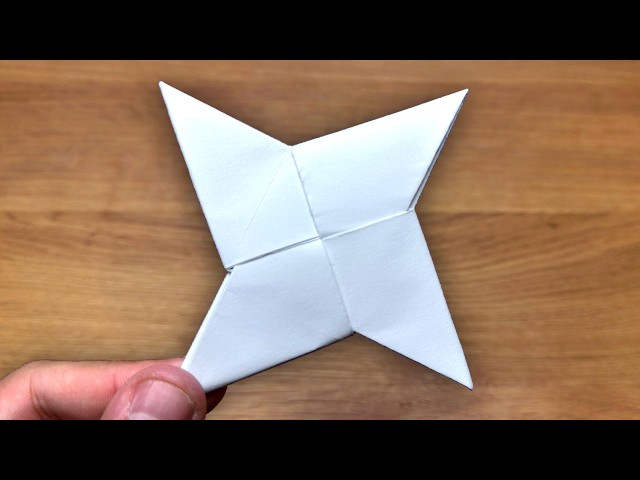
How to make a shuriken paper is a popular search term for those interested in learning how to craft these unique and iconic Japanese throwing stars out of paper. Shuriken are traditionally made of metal, but paper shuriken can be just as effective for recreational purposes and are much safer to use. The process of making a paper shuriken is relatively simple and only requires a few basic materials.
Paper shuriken are not only fun to make but also have several benefits. They are an excellent way to develop fine motor skills, hand-eye coordination, and spatial reasoning. Additionally, paper shuriken can be used as educational tools to teach children about Japanese culture and history. The art of shurikenjutsu, or the throwing of shuriken, has been practiced in Japan for centuries and is still taught today as a traditional martial art.
In the following sections, we will provide a step-by-step guide on how to make a paper shuriken. We will also discuss the different types of paper shuriken, the materials you will need, and the safety precautions you should take when throwing them.
How to Make a Paper Shuriken
Creating a paper shuriken involves several key aspects that contribute to the overall process and outcome. These aspects, explored through the lens of the keyword’s part of speech, provide a comprehensive understanding of the craft:
- Materials: Paper, scissors, ruler
- Folding: Precise origami techniques
- Cutting: Sharp cuts for clean edges
- Shape: Traditional star or customized designs
- Weight: Balanced for accurate throws
- Aerodynamics: Folds and angles for optimal flight
- Safety: Using paper instead of metal
- Enjoyment: Recreation, art, or educational tool
These aspects are intertwined, influencing the effectiveness and enjoyment of making a paper shuriken. The choice of paper, for instance, affects the weight and aerodynamics, while precise folding and cutting ensure a clean shape and accurate flight. Understanding these aspects empowers crafters to customize their shuriken for different purposes, whether for recreational throwing, artistic expression, or educational exploration of Japanese culture and martial arts.
Materials
The materials used to make a paper shurikenpaper, scissors, and a rulerplay a crucial role in the crafting process and the final outcome. The choice of paper, in particular, affects the weight, durability, and flight characteristics of the shuriken. Thicker paper, such as origami paper or cardstock, will result in a heavier shuriken that flies with more force and accuracy. Thinner paper, such as regular printer paper, will produce a lighter shuriken that is easier to throw but may not fly as far or as accurately.
Scissors are used to cut the paper into the desired shape. Sharp scissors with a fine point will produce clean, precise cuts, which are essential for creating a well-balanced shuriken that flies straight. A ruler is used to measure and mark the paper before cutting, ensuring that the shuriken is symmetrical and has the correct proportions.
Understanding the connection between the materials and the final product is essential for making a successful paper shuriken. By choosing the right materials and using them properly, crafters can create shuriken that fly well and are safe to use.
Folding
When crafting a paper shuriken, the folding process plays a crucial role in determining the final outcome. Precise origami techniques are essential for creating a well-balanced and aerodynamic shuriken that flies straight and accurately. The intricate folds and angles of origami allow crafters to transform a flat sheet of paper into a three-dimensional object with remarkable strength and stability.
- Accuracy: Precise folding ensures that the shuriken is symmetrical and has the correct proportions, which is essential for accurate flight. Even a slight deviation in the folding process can affect the shuriken’s balance and trajectory.
- Strength and Durability: The multiple layers of folded paper create a strong and durable structure that can withstand the force of being thrown. The interlocking folds also prevent the shuriken from tearing or coming apart during flight.
- Aerodynamics: The carefully designed folds and angles of origami create an aerodynamic shape that allows the shuriken to fly with stability and precision. The sharp points and edges of the shuriken help it to pierce the air and maintain its trajectory.
- Customization: Origami techniques allow crafters to customize their shuriken in terms of size, shape, and design. By experimenting with different folding patterns, crafters can create shuriken with unique appearances and flight characteristics.
Mastering the art of origami folding is essential for making a successful paper shuriken. By understanding the principles of origami and applying them with precision, crafters can create shuriken that fly with accuracy, strength, and style.
Cutting
The process of cutting plays a vital role in the art of making a paper shuriken. Sharp cuts are essential for creating clean edges, which are crucial for the shuriken’s flight performance and safety.
Clean edges reduce drag and improve the shuriken’s aerodynamics, allowing it to fly straighter and farther. Precise cuts also ensure that the shuriken is well-balanced, which is essential for accurate throws. Furthermore, clean edges minimize the risk of the shuriken tearing or breaking during flight, which can be dangerous if the shuriken is thrown indoors or in close proximity to people.
To achieve clean edges, it is important to use sharp scissors and to cut carefully. Avoid using dull scissors, as they can crush the paper and create ragged edges. Hold the scissors perpendicular to the paper and apply even pressure as you cut. With practice, you will be able to cut clean and precise edges, which will result in a well-made paper shuriken that flies well and is safe to use.
Shape
The shape of a paper shuriken, whether it adheres to traditional star designs or embraces customized variations, holds significant implications for the crafting process and the shuriken’s performance. Understanding the connection between shape and the art of making a paper shuriken offers valuable insights into this unique craft.
-
Traditional Star Designs:
Traditional paper shuriken designs often resemble four- or eight-pointed stars, drawing inspiration from the iconic metal shuriken used by ancient Japanese warriors. These designs have been refined over centuries to achieve optimal balance, aerodynamics, and flight accuracy. By following traditional folding patterns, crafters can create paper shuriken that replicate the classic shape and performance characteristics of their metal counterparts.
-
Customized Designs:
Beyond traditional star designs, the art of making a paper shuriken also encourages creativity and customization. Crafters can experiment with different folding techniques and shapes to create unique and personalized shuriken. These customized designs may prioritize aesthetics, incorporate personal symbols or motifs, or explore innovative aerodynamic properties. The possibilities are endless, allowing crafters to express their individuality and artistic vision through their paper shuriken creations.
Ultimately, the choice between traditional star designs and customized shapes depends on the crafter’s preferences, skill level, and intended purpose of the paper shuriken. Whether seeking historical authenticity or artistic expression, the shape of the shuriken serves as a canvas for creativity and a testament to the versatility of this ancient craft.
Weight
In the art of making paper shuriken, achieving the correct weight and balance is crucial for ensuring accurate and effective throws. The weight of the shuriken affects its trajectory, stability, and overall flight performance.
A balanced shuriken flies with greater precision and control. When the weight is evenly distributed, the shuriken is less likely to wobble or veer off course during flight. This is especially important for long-distance throws or when aiming at specific targets.
To achieve the optimal weight and balance, paper shuriken makers carefully select the type of paper they use. Thicker paper, such as origami paper or cardstock, will result in a heavier shuriken with more force and momentum. Thinner paper, such as regular printer paper, will produce a lighter shuriken that is easier to throw but may not fly as far or as accurately.
In addition to the type of paper, the number of layers and the folding technique can also affect the weight and balance of the shuriken. By experimenting with different materials and folding methods, makers can create shuriken with varying weights and find the combination that best suits their throwing style and intended use.
Understanding the connection between weight and balance is essential for making paper shuriken that fly accurately and effectively. By carefully considering the weight and distribution of the shuriken, makers can create paper shuriken that are both fun to throw and capable of hitting their targets with precision.
Aerodynamics
In the art of making paper shuriken, understanding aerodynamics is crucial for creating shuriken that fly accurately and effectively. Aerodynamics is the study of the movement of air, and it plays a significant role in determining the flight path and stability of the shuriken.
-
Facet 1: Angle of Attack
The angle of attack is the angle at which the shuriken meets the oncoming air. A properly designed shuriken will have a specific angle of attack that allows it to generate lift and fly stably. The folds and angles of the shuriken are carefully designed to create the optimal angle of attack.
-
Facet 2: Center of Gravity
The center of gravity is the point at which the weight of the shuriken is evenly distributed. A balanced shuriken will have its center of gravity in the center of the shuriken. This ensures that the shuriken flies straight and does not wobble or veer off course.
-
Facet 3: Air Resistance
Air resistance is the force that opposes the motion of the shuriken through the air. The folds and angles of the shuriken are designed to minimize air resistance and allow the shuriken to fly farther and more accurately.
-
Facet 4: Spin
Spin is an important factor in the flight of a shuriken. The folds and angles of the shuriken are designed to create a specific amount of spin, which helps to stabilize the shuriken and keep it on course.
By understanding the principles of aerodynamics and applying them to the design of the shuriken, makers can create paper shuriken that fly accurately and effectively. These insights into aerodynamics are essential for making paper shuriken that are both fun to throw and capable of hitting their targets with precision.
Safety
In the art of making paper shuriken, the choice to use paper instead of metal is a crucial consideration that directly impacts the safety and accessibility of this craft. Understanding this connection is essential for ensuring a safe and enjoyable experience.
-
Facet 1: Reduced Risk of Injury
Unlike metal shuriken, which can be sharp and dangerous, paper shuriken pose a significantly reduced risk of injury. Paper is a soft and flexible material that is unlikely to cause serious harm, even if it accidentally hits someone or an object.
-
Facet 2: Safe for Indoor Use
Paper shuriken can be safely used indoors without causing damage to walls, furniture, or other objects. This makes them an ideal choice for practicing throwing techniques or engaging in indoor target practice.
-
Facet 3: Suitable for Children
Paper shuriken are an excellent way to introduce children to the art of shuriken throwing. They are safe and easy to make, and they allow children to develop their hand-eye coordination and motor skills in a fun and engaging way.
-
Facet 4: Legal Considerations
In many jurisdictions, it is illegal to possess or use metal shuriken. Paper shuriken, on the other hand, are not subject to the same legal restrictions, making them a more accessible and convenient option for practicing this traditional martial art.
By choosing to use paper instead of metal, makers of paper shuriken prioritize safety and accessibility without compromising the fun and excitement of this traditional craft. This substitution allows for a wider range of people to enjoy the art of shuriken throwing in a safe and responsible manner.
Enjoyment
The connection between “Enjoyment: Recreation, art, or educational tool” and “how to make a shuriken paper” lies in the intrinsic value and multifaceted nature of the craft. Making paper shuriken can be an enjoyable recreational activity, a form of artistic expression, and an educational tool for learning about Japanese culture and history.
As a recreational activity, making paper shuriken provides a fun and engaging way to spend time. It is a relatively simple craft that can be enjoyed by people of all ages and skill levels. The process of folding and cutting the paper, and then throwing the finished shuriken, can be both relaxing and satisfying.
Paper shuriken can also be a form of art. The intricate folds and designs of shuriken can be visually appealing, and some people enjoy creating shuriken that are not only functional but also beautiful. Paper shuriken can be used to create unique decorations or even as pieces of jewelry.
Finally, paper shuriken can be used as an educational tool. They can be used to teach children about Japanese culture and history. By learning about the art of shurikenjutsu, children can gain a deeper understanding of Japanese martial arts and the history of Japan.
Understanding the connection between enjoyment and making paper shuriken is important for several reasons. First, it helps to make the craft more accessible and appealing to a wider range of people. Second, it highlights the potential of paper shuriken as a tool for learning and personal growth. Finally, it encourages people to approach the craft with a sense of creativity and fun.
Frequently Asked Questions about How to Make a Paper Shuriken
This section addresses common questions and misconceptions regarding the art of making paper shuriken, providing informative answers to enhance understanding and guide enthusiasts in their creative endeavors.
Question 1: What is the best type of paper to use for making paper shuriken?
Answer: The ideal paper for paper shuriken is one that is thin, strong, and easy to fold. Origami paper or cardstock are popular choices due to their durability and ability to hold sharp creases.
Question 2: How can I ensure that my paper shuriken flies straight and accurately?
Answer: Precision in folding and cutting is crucial for achieving a balanced and aerodynamic shuriken. Use sharp scissors and follow the folding instructions carefully to ensure symmetry and clean edges.
Question 3: Is it possible to make a paper shuriken without using glue or tape?
Answer: Yes, traditional paper shuriken do not require glue or tape. By using precise folding techniques, the paper is held together by friction and tension, creating a sturdy and functional shuriken.
Question 4: Can paper shuriken be dangerous?
Answer: While paper shuriken are generally safe, it is important to use caution when throwing them. Avoid throwing shuriken at people or animals, and always be aware of your surroundings to prevent accidents.
Question 5: Is the art of making paper shuriken related to traditional Japanese martial arts?
Answer: Yes, paper shuriken are inspired by the traditional Japanese martial art of shurikenjutsu, which involves the throwing of metal shuriken. Paper shuriken provide a safe and accessible way to practice the techniques and principles of this ancient art.
Question 6: Can paper shuriken be used for self-defense?
Answer: Paper shuriken are not intended for self-defense and should not be relied upon as a weapon. They are primarily used for recreational purposes, such as target practice or as a creative hobby.
Summary of key takeaways or final thought: Understanding these frequently asked questions and their answers empowers paper shuriken enthusiasts with the knowledge and skills necessary to craft well-balanced and accurate shuriken. By adhering to the principles of precision, safety, and respect for the art, individuals can fully appreciate the enjoyment and educational value of making paper shuriken.
Transition to the next article section: Having explored the intricacies of paper shuriken making, let’s delve into the historical and cultural significance of this unique craft, tracing its origins and evolution throughout history.
Tips for Crafting Paper Shuriken
The art of making paper shuriken offers a rewarding and enjoyable experience. By following these practical tips, enthusiasts can enhance their skills, refine their technique, and elevate their paper shuriken to the next level.
Tip 1: Choose the Right Paper: Opt for thin, durable paper such as origami paper or cardstock. These materials provide the optimal balance of strength and flexibility, ensuring clean folds and precise cuts.
Tip 2: Use Sharp Scissors: Invest in a pair of sharp scissors with fine points. This will allow for clean, precise cuts that are essential for creating well-balanced and aerodynamic shuriken.
Tip 3: Master the Folding Technique: Precision in folding is paramount. Follow the instructions carefully, ensuring that each fold is sharp and symmetrical. This will result in a sturdy and accurate shuriken.
Tip 4: Experiment with Weight and Balance: Adjust the thickness of the paper or the number of layers to achieve the desired weight and balance. A heavier shuriken will have more force, while a lighter one will be easier to throw.
Tip 5: Practice Regularly: Regular practice is the key to improving your throwing technique. Find an open space and practice throwing your shuriken at different distances and targets to enhance your accuracy and control.
Tip 6: Learn from Others: Seek guidance from experienced paper shuriken makers or join online communities. Sharing knowledge and techniques can accelerate your learning and help you refine your craft.
Tip 7: Explore Different Designs: Don’t limit yourself to traditional star shapes. Experiment with variations in the number of points, the angle of the blades, and the overall shape to create unique and personalized shuriken.
Tip 8: Respect the Art: Remember that the art of making paper shuriken has historical and cultural significance. Approach the craft with respect and use your shuriken responsibly.
By incorporating these tips into your practice, you will not only improve the quality of your paper shuriken but also deepen your understanding and appreciation for this unique art form.
As you continue to hone your skills, may your paper shuriken soar with precision, grace, and a touch of artistry.
Conclusion
The intricate art of making paper shuriken requires a combination of precision, creativity, and respect for tradition. Throughout this exploration, we have delved into the materials, techniques, and cultural significance of this unique craft.
By understanding the connection between shape, weight, aerodynamics, and safety, enthusiasts can create paper shuriken that not only fly accurately but also serve as expressions of personal style and artistic vision. The use of paper as a medium transforms this potentially dangerous weapon into a safe and accessible art form, allowing individuals to explore the principles of shurikenjutsu without risk of harm.
As you continue your journey in the art of paper shuriken making, remember to approach the craft with a spirit of curiosity, experimentation, and respect. May your paper shuriken soar with precision, grace, and a touch of artistry, carrying with them the rich history and cultural significance of this ancient tradition.
Youtube Video: