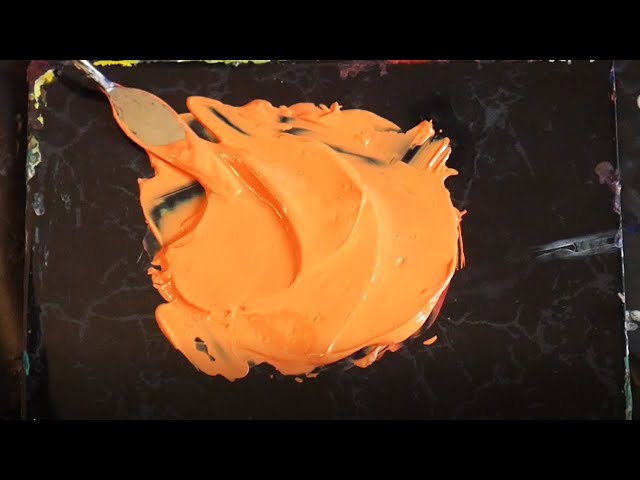
Making orange involves a process of combining different colors to create a new hue. To achieve a vibrant orange color, it’s essential to start with a primary color like yellow and gradually incorporate a secondary color like red. The proportions of each color can be adjusted to obtain the desired shade of orange. For instance, a higher proportion of red will result in a deeper orange, while a higher proportion of yellow will produce a lighter shade. It’s important to note that the specific shades and tones of orange may vary depending on the individual’s perception and the context in which the color is used.
Understanding how to make orange is significant because it empowers individuals to create custom color combinations and achieve specific visual effects in various fields such as art, design, and manufacturing. Orange, known for its warmth, energy, and vibrancy, is commonly associated with creativity, enthusiasm, and optimism. Throughout history, orange has held cultural significance and has been used in art, fashion, and even as a symbol of religious and political movements.
In the following sections, we will delve deeper into the practical aspects of making orange, including the different methods and techniques used to obtain various shades and tones. We will also explore the applications of orange in various industries, such as its use in color theory, color mixing, and color printing. Furthermore, we will examine the cultural and historical significance of orange and its impact on art, design, and society.
How to Make Orange
Understanding the concept of “how to make orange” involves examining various aspects related to the process of creating the color orange. These key aspects encompass the fundamental elements, techniques, and applications of orange color creation, providing a comprehensive understanding of the topic.
- Color Theory: Understanding the color wheel and the relationships between primary, secondary, and tertiary colors.
- Color Mixing: Learning the techniques and proportions for combining different colors to achieve the desired shade of orange.
- Pigments and Dyes: Exploring the different types of pigments and dyes used to create orange in paints, inks, and fabrics.
- Light and Perception: Understanding how light interacts with objects and how our eyes perceive the color orange.
- Cultural Significance: Examining the historical and cultural associations of the color orange in different societies.
- Artistic Applications: Exploring the use of orange in various art forms, such as painting, design, and photography.
- Industrial Applications: Investigating the practical uses of orange in industries like manufacturing, printing, and fashion.
These key aspects provide a comprehensive framework for understanding the concept of “how to make orange.” By delving into these aspects, individuals can gain a deeper appreciation for the creation and application of orange color, and its significance in various fields.
Color Theory
Color theory provides a fundamental framework for understanding how colors interact and relate to each other. It encompasses the study of the color wheel, which arranges colors in a circular diagram based on their relationships. The color wheel is a crucial tool for understanding how to make orange and other colors.
- Primary Colors: The color wheel is divided into three primary colors: red, yellow, and blue. These colors cannot be created by mixing other colors, and they form the foundation for all other colors.
- Secondary Colors: Secondary colors are created by mixing two primary colors. The three secondary colors are orange, green, and violet. Orange is created by mixing red and yellow.
- Tertiary Colors: Tertiary colors are created by mixing a primary color with a secondary color. There are six tertiary colors: red-orange, yellow-orange, yellow-green, blue-green, blue-violet, and red-violet.
Understanding the relationships between primary, secondary, and tertiary colors is essential for creating orange and other colors accurately. By understanding the color wheel and how colors interact, individuals can make informed decisions about color combinations and achieve desired color effects.
Color Mixing
Color mixing is an essential component of “how to make orange.” By understanding the techniques and proportions for combining different colors, individuals can achieve the desired shade of orange and create a wide range of color variations. Color mixing involves combining different amounts of primary and secondary colors to produce new colors. In the case of orange, it is created by mixing red and yellow.
The proportions of red and yellow used will determine the shade of orange produced. For instance, a higher proportion of red will result in a deeper, more reddish orange, while a higher proportion of yellow will produce a lighter, more yellowish orange. It is important to experiment with different proportions to achieve the desired shade.
Understanding color mixing is crucial for artists, designers, and anyone involved in creating or working with colors. By mastering color mixing techniques, individuals can create custom color combinations and achieve specific visual effects in their work.
Pigments and Dyes
Pigments and dyes play a vital role in the process of “how to make orange.” They are the coloring agents that impart color to various materials, such as paints, inks, and fabrics. Understanding the different types of pigments and dyes used to create orange is crucial for achieving the desired shade and ensuring colorfastness and durability.
Pigments are insoluble particles that add color to a medium. They are typically used in paints and other solid materials. Dyes, on the other hand, are soluble and are used to color liquids and fabrics. Both pigments and dyes can be natural or synthetic.
Natural pigments have been used for centuries to create orange. These pigments are derived from minerals, plants, and animals. Some common natural pigments used to create orange include iron oxide, turmeric, and saffron. Synthetic pigments are man-made and offer a wider range of colors and properties. They are often more durable and resistant to fading than natural pigments.
The choice of pigments and dyes for creating orange depends on the specific application. For example, in paints, pigments are used to provide opacity and durability. In inks, dyes are used for their solubility and ability to penetrate the substrate. In fabrics, dyes are used to create a wide range of colors and patterns.
Understanding the different types of pigments and dyes used to create orange is essential for achieving the desired color effects and ensuring the longevity of colored materials. By carefully selecting and using pigments and dyes, artists, designers, and manufacturers can create vibrant and durable orange hues in a variety of applications.
Light and Perception
Light and perception play a crucial role in the process of “how to make orange.” Understanding how light interacts with objects and how our eyes perceive the color orange is essential for accurately creating and reproducing the desired shade. Light is a form of electromagnetic radiation that travels in waves. When light interacts with an object, some of the light is absorbed, and some is reflected. The reflected light is what we see and perceive as color.
The color of an object depends on the wavelengths of light that it reflects. Orange is a secondary color that is created when red and yellow light are combined. When white light strikes an object that is orange, the object absorbs the blue and violet wavelengths of light and reflects the red and yellow wavelengths. This reflected light is then perceived by our eyes as the color orange.
Understanding light and perception is important for several reasons. First, it allows us to understand why objects appear to be different colors under different lighting conditions. For example, an orange may appear to be more reddish under incandescent light and more yellowish under fluorescent light. This is because the different types of lighting emit different wavelengths of light, which are reflected by the object in different proportions.
Second, understanding light and perception is important for accurately reproducing colors in art, design, and manufacturing. By understanding how light interacts with objects and how our eyes perceive color, artists, designers, and manufacturers can create and reproduce colors that are consistent and accurate across different lighting conditions and media.
Overall, understanding light and perception is an essential component of “how to make orange.” By understanding how light interacts with objects and how our eyes perceive color, individuals can create and reproduce accurate and consistent shades of orange in a variety of applications.
Cultural Significance
Cultural significance plays a vital role in understanding “how to make orange” because it informs the creative process and the interpretation of orange in various contexts. Throughout history, orange has held cultural and symbolic meanings that have influenced its use in art, design, and everyday life.
For instance, in many Asian cultures, orange is associated with joy, prosperity, and good fortune. This association is reflected in the use of orange in traditional costumes, decorations, and religious ceremonies. In Western cultures, orange has been associated with warmth, energy, and creativity. It is often used in marketing and advertising to convey a sense of optimism and excitement.
Understanding the cultural significance of orange allows individuals to create and use the color in a meaningful and appropriate way. By considering the cultural associations of orange, artists and designers can evoke specific emotions and convey messages through their work. Additionally, understanding cultural significance helps individuals appreciate the diverse ways in which color is perceived and experienced around the world.
Artistic Applications
Artistic applications are a crucial aspect of “how to make orange” because they demonstrate the practical use and significance of the color in various creative fields.
- Color Theory in Painting: Orange plays a vital role in color theory, providing warmth and contrast to compositions. Artists use orange to create vibrant sunsets, fiery landscapes, and eye-catching focal points.
- Design and Branding: Orange is frequently used in design and branding due to its attention-grabbing nature. It is commonly associated with energy, optimism, and affordability, making it suitable for logos, packaging, and marketing campaigns.
- Photography and Film: In photography and film, orange is often used to convey warmth, nostalgia, and dramatic effects. Orange filters and lighting can transform scenes, creating a sense of intimacy or mystery.
- Cultural Symbolism: Orange holds cultural significance in various societies, influencing its use in art. For example, in some Asian cultures, orange represents joy and prosperity, while in Western cultures, it is associated with creativity and enthusiasm.
Understanding the artistic applications of orange provides valuable insights into the practical considerations and creative possibilities associated with using this color. By exploring these applications, individuals can appreciate the diverse ways in which orange is used to convey emotions, create visual impact, and communicate cultural meanings.
Industrial Applications
Industrial applications play a significant role in understanding “how to make orange” because they demonstrate the practical significance and widespread use of the color in various industries. Orange finds practical applications in manufacturing, printing, and fashion, among other industries.
In manufacturing, orange is used for safety purposes. For instance, orange safety vests and traffic cones are commonly used to enhance visibility and prevent accidents. Orange is also used in construction and engineering to indicate hazardous areas and equipment.
In the printing industry, orange is used as a primary color in the CMYK color model, which is used in color printing. Orange ink is essential for creating a wide range of colors and achieving vibrant and accurate prints.
In the fashion industry, orange is a popular color for clothing and accessories. It is considered a bold and eye-catching color that can convey a sense of warmth, energy, and creativity. Orange is often used in sportswear, streetwear, and high fashion.
Understanding the industrial applications of orange provides valuable insights into the practical considerations and real-world uses of this color. By exploring these applications, individuals can appreciate the diverse ways in which orange is used to enhance safety, facilitate communication, and create visually appealing products in various industries.
FAQs on “How to Make Orange”
This section addresses frequently asked questions related to the topic of “how to make orange,” providing clear and informative answers to enhance understanding.
Question 1: What is the best way to mix orange paint?
To achieve a vibrant orange hue, combine red and yellow paint in a ratio of approximately 2:1. Gradually add small amounts of yellow until the desired shade is obtained. Experiment with different proportions to create variations in the orange color.
Question 2: How can I create orange naturally?
Orange can be created naturally using fruits and vegetables. Blend carrots, pumpkins, or sweet potatoes to extract their juices. Mix these juices together to obtain a natural orange colorant.
Question 3: What are the different shades of orange?
Orange has a wide range of shades, including amber, apricot, burnt orange, coral, pumpkin, and tangerine. These shades vary in their intensity, warmth, and yellowish or reddish undertones.
Question 4: What safety precautions should be taken when working with orange pigments?
When handling orange pigments, it is essential to wear gloves and a mask to prevent inhalation or skin contact. Some orange pigments may contain heavy metals that can be harmful if ingested or absorbed.
Question 5: How can I use orange effectively in design?
Orange is a versatile color that can be used to create various effects in design. It can be paired with complementary colors like blue or green for contrast, or with analogous colors like red and yellow for harmony. Orange is often used to convey energy, warmth, and excitement.
Question 6: What are some cultural associations of the color orange?
Orange holds different cultural meanings around the world. In many Asian cultures, it represents joy, prosperity, and good fortune. In Western cultures, it is often associated with energy, creativity, and enthusiasm.
These FAQs provide a concise overview of common questions and concerns related to “how to make orange.” By addressing these questions, individuals can gain a better understanding of the topic and its practical implications.
Transition to the next article section: Understanding the cultural significance of colors like orange can further enhance our appreciation for the diverse ways in which colors are perceived and used around the world.
Tips on Creating Vibrant and Accurate Orange Hues
Achieving the perfect shade of orange requires careful consideration and attention to detail. Here are several essential tips to guide you in creating vibrant and accurate orange hues:
Tip 1: Understand Color Theory
Familiarize yourself with the color wheel and the relationships between primary, secondary, and tertiary colors. Orange is a secondary color created by mixing red and yellow.
Tip 2: Experiment with Proportions
The ratio of red to yellow used will determine the shade of orange produced. Experiment with different proportions to achieve the desired hue. A higher proportion of red will result in a deeper orange, while more yellow will produce a lighter shade.
Tip 3: Choose High-Quality Pigments
The quality of pigments used will significantly impact the vibrancy and durability of the orange color. Opt for high-quality pigments that are known for their colorfastness and light resistance.
Tip 4: Consider the Light Source
The type of light source can affect the appearance of orange. Natural light produces different color effects than artificial light. Consider the intended light source when selecting and mixing orange pigments.
Tip 5: Use Color Mixing Techniques
Master color mixing techniques to create a wide range of orange shades. Experiment with adding small amounts of complementary colors, such as blue or green, to modify the hue and saturation of the orange.
Tip 6: Test and Adjust
Always test the resulting orange color before committing to a large-scale application. Make adjustments to the proportions of red and yellow or add other colors as needed to achieve the desired shade.
Tip 7: Practice and Experiment
Creating the perfect orange hue requires practice and experimentation. Dedicate time to experimenting with different techniques and proportions until you consistently achieve the desired results.
Tip 8: Seek Professional Guidance
If you encounter difficulties or require expert advice, consider consulting with a professional colorist or artist. They can provide valuable insights and guidance to help you achieve the perfect orange hue for your specific application.
By following these tips, you can effectively create vibrant and accurate orange hues for a wide range of applications, from art and design to manufacturing and printing.
Transition to the article’s conclusion: Mastering the art of creating orange hues opens up a world of possibilities for artistic expression and practical applications. With dedication and practice, you can harness the power of orange to convey emotions, create visual impact, and bring your creative visions to life.
Conclusion
Throughout this comprehensive exploration of “how to make orange,” we have delved into the fundamental aspects of creating this vibrant hue. From understanding color theory and mixing techniques to exploring the cultural significance and industrial applications of orange, we have gained a multifaceted perspective on this captivating color.
Mastering the art of creating orange hues empowers us to communicate effectively, express creativity, and enhance the visual world around us. By embracing the principles outlined in this article, individuals can harness the potential of orange to convey emotions, create visual impact, and bring their creative visions to life. Whether in the realm of art, design, or practical applications, the ability to make orange opens up a world of possibilities for artistic expression and meaningful communication.
Youtube Video: