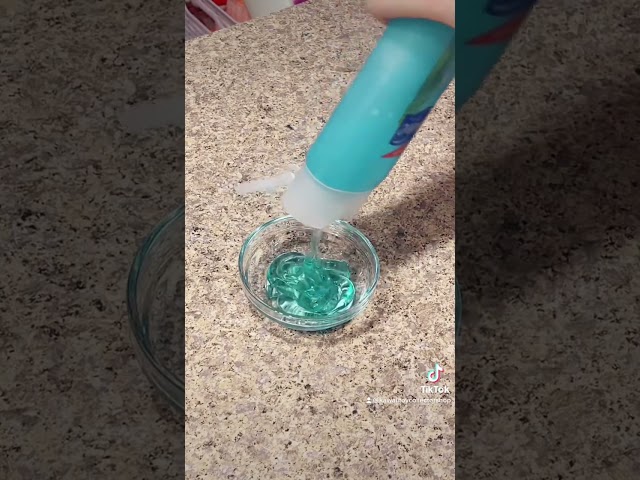
Water slime is a type of slime that is made with water, glue, and food coloring. It is a fun and easy way to make slime, and it can be customized to any color or scent. Water slime is also a great way to teach kids about the properties of matter.
There are many benefits to making water slime. It is a great way to relieve stress, and it can also help to improve fine motor skills. Water slime is also a non-toxic and safe way to play, making it a great option for kids of all ages.
To make water slime, you will need the following ingredients:
- 1 cup of water
- 1/2 cup of clear glue
- Food coloring (optional)
Instructions:
- In a large bowl, combine the water and glue.
- Stir until the mixture is well combined.
- Add food coloring, if desired.
- Stir until the slime reaches the desired color.
- Play with your slime!
how to make water slime
Creating water slime is a captivating and educational activity that offers several essential benefits. Understanding its distinct characteristics, ingredients, and techniques allows us to delve into the fascinating world of slime making.
- Tactile experience: Water slime provides a unique sensory experience, promoting tactile development and fine motor skills.
- Creativity: Customizing slime with various colors and scents fosters imagination and artistic expression.
- Stress relief: The act of manipulating and playing with slime can be therapeutic, reducing stress and promoting relaxation.
- Scientific exploration: Making water slime demonstrates principles of chemistry and matter, encouraging scientific curiosity.
- Educational tool: Educators can utilize water slime to teach concepts such as viscosity, polymers, and chemical reactions.
- Fun and entertainment: Ultimately, creating and playing with water slime brings immense joy and entertainment to individuals of all ages.
In conclusion, the key aspects of “how to make water slime” not only provide a delightful and tactile experience but also offer educational value, promote creativity, and contribute to relaxation and stress reduction. Embracing these aspects enables us to fully appreciate the multifaceted benefits of this captivating activity.
Tactile experience
The tactile experience offered by water slime plays a crucial role in its overall appeal and benefits. When individuals interact with water slime, they engage their sense of touch, stimulating nerve endings in the fingers and hands. This sensory input contributes to the development of fine motor skills, which involve the precise coordination of small muscle movements in the hands and fingers.
As children manipulate and mold water slime, they strengthen the muscles in their hands and improve their dexterity. This enhanced dexterity supports various daily activities, such as writing, drawing, and buttoning clothes. Additionally, the tactile experience of water slime can be calming and therapeutic, providing a sensory outlet for individuals with stress or anxiety.
Incorporating water slime into educational settings can provide children with hands-on learning experiences that foster their tactile development and fine motor skills. By encouraging children to explore the properties of water slime and create different shapes and textures, educators can support their overall sensory and motor development.
Creativity
Customizing water slime with a myriad of colors and scents unleashes a world of creativity, nurturing imagination and artistic expression. This facet of “how to make water slime” empowers individuals to personalize their slime creations, transforming them into unique works of art.
-
Color Exploration:
The vast spectrum of colors available for water slime invites boundless experimentation. By blending and mixing different hues, individuals can create custom colors that reflect their personal style or evoke specific emotions. This color exploration stimulates imagination and encourages artistic expression. -
Sensory Stimulation:
Incorporating distinct scents into water slime engages the sense of smell, adding an extra dimension to the creative process. The combination of visual and olfactory stimuli enhances the sensory experience, fostering imagination and artistic expression. -
Imaginative Play:
The malleable nature of water slime allows individuals to mold and shape it into various forms, fostering imaginative play. This freedom of expression encourages the development of storytelling abilities and imaginative scenarios, nurturing artistic expression. -
Therapeutic Outlet:
Customizing water slime can serve as a therapeutic outlet, providing a creative and calming activity. Engaging in the process of color selection, scent infusion, and slime manipulation can reduce stress and promote relaxation, fostering a sense of well-being and artistic expression.
In conclusion, the facet of “Creativity: Customizing slime with various colors and scents fosters imagination and artistic expression” highlights the transformative power of water slime as a medium for artistic exploration and self-expression. By embracing the boundless possibilities of color and scent customization, individuals can unleash their creativity, engage their senses, and find joy in the imaginative realm of water slime.
Stress relief
In the realm of “how to make water slime,” the therapeutic benefits of slime play hold significant relevance. The act of manipulating and interacting with slime offers a unique sensory experience that can alleviate stress and promote relaxation.
-
Tactile Stimulation:
Engaging with slime provides ample tactile stimulation, which can be calming and therapeutic for individuals experiencing stress or anxiety. The act of kneading, stretching, and molding the slime creates a soothing sensory experience that can help reduce tension. -
Mindfulness and Focus:
Playing with slime can promote mindfulness and focus. The repetitive and calming motions involved in manipulating slime can help individuals enter a state of relaxation and reduce racing thoughts. This can be particularly beneficial for those seeking to manage stress and promote mental well-being. -
Emotional Regulation:
The sensory experience of slime play can facilitate emotional regulation. Interacting with slime can provide a safe and non-judgmental outlet for expressing and managing emotions. The act of manipulating and molding the slime can be a cathartic and calming experience. -
Creative Expression:
Slime play can serve as a creative outlet, allowing individuals to express themselves through color, scent, and texture. The freedom to customize and create unique slime variations can be empowering and stress-relieving.
In conclusion, the therapeutic benefits associated with manipulating and playing with slime make it a valuable tool for stress relief and relaxation. By engaging in slime play, individuals can experience tactile stimulation, promote mindfulness and focus, facilitate emotional regulation, and express themselves creatively. Understanding these therapeutic facets enriches the overall experience of “how to make water slime” and highlights its potential to contribute to mental well-being.
Scientific exploration
The scientific exploration inherent in making water slime provides a unique opportunity to demonstrate fundamental principles of chemistry and matter, fostering a spirit of scientific curiosity and inquiry. By understanding the underlying science behind the creation of slime, individuals can delve into the fascinating world of chemistry and physics.
The process of making water slime involves the interaction of various ingredients, primarily water, glue, and often food coloring or glitter for customization. Water, a polar molecule, forms hydrogen bonds with the hydroxyl groups present in the glue, which is a polymer. These hydrogen bonds create a cross-linked network, giving slime its characteristic gooey and elastic properties. The addition of food coloring or glitter allows for creative exploration and personalization, while also introducing concepts of color mixing and the properties of different materials.
The scientific principles embedded in water slime making extend beyond its composition. The act of manipulating and observing slime’s behavior encourages scientific inquiry and experimentation. Individuals can explore concepts such as viscosity, elasticity, and shear thinning by observing how slime flows, stretches, and breaks under different conditions. This hands-on experience provides a tangible and engaging way to understand complex scientific concepts.
Moreover, water slime making can serve as a gateway to broader scientific exploration. It can spark an interest in chemistry, materials science, and even culinary arts. By understanding the science behind slime, individuals can develop a deeper appreciation for the natural world and the role of science in everyday life.
In conclusion, the scientific exploration embedded in “how to make water slime” offers a valuable opportunity to cultivate scientific curiosity, demonstrate fundamental principles of chemistry and matter, and inspire further exploration in the realm of science.
Educational tool
Within the realm of “how to make water slime,” the educational tool aspect offers a unique opportunity for educators to harness this captivating activity for teaching fundamental scientific concepts. Water slime serves as a tangible and engaging medium to demonstrate complex principles of chemistry and matter, fostering a spirit of scientific curiosity and inquiry among students.
-
Viscosity and Elasticity:
Water slime making provides a hands-on way to explore the concept of viscosity. By varying the ratio of water to glue, students can create slime with different viscosities, observing how it flows and stretches. This practical experience helps them grasp the concept of fluid dynamics and the factors that influence a material’s resistance to flow. -
Polymers and Cross-linking:
The creation of water slime demonstrates the properties of polymers. Glue, a type of polymer, consists of long chains of molecules that form cross-links with water molecules through hydrogen bonds. This cross-linking creates the slime’s unique gooey and elastic texture. By manipulating the type and amount of glue used, educators can guide students in exploring the relationship between polymer structure and material properties. -
Chemical Reactions:
While the basic recipe for water slime involves only a few ingredients, variations can introduce simple chemical reactions. For instance, adding borax powder to a water slime mixture can result in the formation of a firmer, more elastic slime due to the cross-linking of polyvinyl alcohol molecules with borate ions. Such experiments provide a tangible introduction to chemical reactions and their impact on material properties. -
Interdisciplinary Connections:
Water slime making can also foster interdisciplinary connections. By incorporating water slime into science lessons, educators can reinforce concepts taught in other subjects, such as math (measuring ingredients and ratios) and art (exploring color mixing and textures). This holistic approach enhances the learning experience and demonstrates the interconnectedness of different disciplines.
In conclusion, the educational tool facet of “how to make water slime” empowers educators to transform a seemingly simple activity into an engaging and informative learning experience. By utilizing water slime to teach concepts such as viscosity, polymers, and chemical reactions, educators can cultivate scientific curiosity, promote hands-on exploration, and foster a deeper understanding of the fascinating world of science.
Fun and entertainment
Within the realm of “how to make water slime,” the facet of fun and entertainment holds significant relevance. Creating and playing with water slime offers a delightful and engaging experience that transcends age boundaries, providing numerous benefits for individuals.
-
Sensory Stimulation:
Water slime provides a unique sensory experience that engages multiple senses. Its tactile nature allows for hands-on manipulation and exploration, promoting fine motor skills and sensory development. Additionally, the vibrant colors and customizable scents stimulate visual and olfactory senses, enhancing the overall sensory experience. -
Stress Relief and Relaxation:
The act of manipulating and playing with water slime can be therapeutic and stress-relieving. The repetitive motions and tactile stimulation help calm the mind and reduce anxiety. The malleable nature of slime allows for creative expression and provides a non-judgmental outlet for emotional release. -
Imaginative Play and Creativity:
Water slime fosters imaginative play and encourages creativity. Its ability to be molded and shaped into various forms allows individuals to express their artistic side. The customization options, such as adding glitter or scents, further enhance the creative process, promoting self-expression and imaginative storytelling. -
Social Interaction and Bonding:
Creating and playing with water slime can be a social activity that encourages interaction and bonding. It provides a common ground for individuals to connect, share ideas, and engage in collaborative play. The shared experience of making and manipulating slime can strengthen relationships and foster a sense of community.
In conclusion, the “fun and entertainment” aspect of “how to make water slime” encompasses a multitude of benefits that contribute to the overall enjoyment and well-being of individuals. By providing sensory stimulation, stress relief, imaginative play opportunities, and social interaction, water slime offers a captivating and entertaining experience that brings joy to people of all ages.
FAQs on “How to Make Water Slime”
This section aims to address common questions and misconceptions surrounding the topic of “how to make water slime.” By providing clear and informative answers, we hope to enhance your understanding and successful slime-making endeavors.
Question 1: What is the ideal water-to-glue ratio for making water slime?
The optimal water-to-glue ratio for water slime varies depending on the desired consistency. For a firmer slime, use less water; for a softer, more gooey slime, use more water. A good starting point is a 1:1 ratio of water to clear glue.
Question 2: Can I use any type of glue to make water slime?
Not all glues are suitable for making water slime. Clear PVA (polyvinyl acetate) glue, commonly known as white glue or school glue, is the most commonly used and recommended type for making water slime.
Question 3: Why does my water slime turn out too sticky?
Excessive stickiness in water slime can be caused by using too much glue or not enough water. To fix this, add a little bit more water and knead the slime until it reaches the desired consistency.
Question 4: How can I make my water slime more colorful?
To add color to your water slime, use food coloring or liquid watercolors. Start with a small amount and gradually add more until you achieve the desired shade.
Question 5: Can I add glitter or other embellishments to my water slime?
Yes, you can add glitter, beads, or other small embellishments to your water slime to make it more visually appealing. However, avoid adding too much, as it can affect the slime’s texture.
Question 6: How do I store my water slime to keep it fresh?
Store your water slime in an airtight container at room temperature. To prevent mold growth, sprinkle a small amount of borax powder on the surface of the slime before storing it.
Summary: Making water slime is a fun and easy activity that can be enjoyed by people of all ages. By understanding the basic principles and addressing common concerns, you can create perfect water slime every time.
Transition to the next article section:
Tips for Making Perfect Water Slime
Crafting the ideal water slime requires careful attention to detail and a few clever techniques. Here are some expert tips to guide you:
Tip 1: Measure Ingredients Precisely
Accurate measurements of water and glue are crucial for achieving the desired slime consistency. Use measuring cups or spoons to ensure the correct proportions.
Tip 2: Use Clear Glue for Transparency
Clear PVA glue, commonly known as white glue, produces transparent slime that allows for vibrant color customization. Avoid using colored glue, as it can result in a murky or opaque slime.
Tip 3: Add Food Coloring Gradually
Start with a small amount of food coloring and gradually add more until you reach the desired shade. Over-coloring can make the slime too dark or muddy.
Tip 4: Knead the Slime Thoroughly
Once the ingredients are combined, knead the slime for several minutes until it becomes smooth and elastic. Proper kneading ensures an even distribution of ingredients and prevents stickiness.
Tip 5: Store the Slime Properly
To maintain the slime’s freshness, store it in an airtight container at room temperature. Sprinkle a small amount of borax powder on the surface to prevent mold growth.
Tip 6: Refresh the Slime if Needed
Over time, slime can lose its elasticity or become sticky. To refresh it, add a small amount of water and knead until the desired consistency is restored.
Tip 7: Add Embellishments Sparingly
While glitter and other embellishments can enhance the visual appeal of slime, excessive amounts can make it stiff or grainy. Use embellishments sparingly to maintain the slime’s texture.
Tip 8: Supervise Children
If children are making slime, ensure adult supervision, especially when using borax powder. Borax can be harmful if ingested, so proper handling and storage are essential.
Summary: Following these tips will empower you to create perfect water slime consistently. Remember to measure ingredients precisely, use clear glue, add food coloring gradually, and knead the slime thoroughly. Proper storage and regular maintenance will keep your slime fresh and enjoyable for an extended period.
Transition to the article’s conclusion:
Conclusion
Throughout this exploration of “how to make water slime,” we have delved into the fascinating realm of slime making, uncovering its scientific principles, educational value, therapeutic benefits, and endless possibilities for fun and creativity.
Creating water slime is not merely a simple craft activity; it is a journey of scientific exploration, artistic expression, and sensory discovery. By understanding the underlying chemistry and experimenting with different ingredients and techniques, we can create unique and personalized slime variations that cater to our individual preferences and needs.
As we continue to embrace the wonders of water slime, let us remember its potential as an educational tool, fostering scientific curiosity, promoting fine motor skills, and encouraging imaginative play. Moreover, the therapeutic benefits of slime making should not be overlooked, as it provides a calming and stress-reducing outlet for individuals of all ages.
In the ever-evolving world of slime creations, the possibilities are boundless. Whether you seek to create vibrant and colorful slime masterpieces, explore the science behind its properties, or simply enjoy the tactile and sensory experience, water slime offers a captivating and rewarding activity for all.
Youtube Video: